The Freeze Response

How do you take control over your own reaction to fear?

 
Thunderstorms in the Rocky Mountains can come on suddenly, and are often severe. (Photo courtesy Kristina Marcelli Sargent)

Thunderstorms in the Rocky Mountains can come on suddenly, and are often severe. (Photo courtesy Kristina Marcelli Sargent)


“I had done nothing to help. Not because I didn’t want to, but because I just couldn’t.”

— Kristina Marcelli Sargent


When Kristina Marcelli Sargent was nine years old, her father was struck by lightning. Immobilized by fear, she watched helplessly, wanting to help but unable to make herself move.

As she grew older, Kristina found herself freezing up over and over again. Though she yearned to take charge, scary situations always left her paralyzed.

Then one day, a hike in the mountains changed everything.

On this episode, Kristina shares her story. It’s a story about how we react to fear — and about what happens when our natural responses don’t serve us.


This episode sponsored by


Take 30% off your Cusa Tea order with the promo code “OUTTHERE.”


Brain on Nature

How going out into the natural world changed one woman’s brain

 
Sarah Allely, host of Brain on Nature (photo courtesy Sarah Allely)

Sarah Allely, host of Brain on Nature (photo courtesy Sarah Allely)


“All I could do was literally sit out in my back garden and stare up at the trees. … That was the only way that I would not get a headache.”

— Sarah Allely


In 2015, Sarah Allely was hit by a car while riding her bike. She suffered a mild traumatic brain injury, and in the ensuing weeks and months, she found it impossible to function normally.

Only one thing seemed to help: spending time in nature.

Now, several years later, Sarah has turned her experience into a documentary podcast series called Brain on Nature. On this episode, we share an excerpt from her show and talk with her about why nature is so important for the brain — for all of us.


Like what you heard?

This episode sponsored by


Everest for a Sherpa Teen

A conversation with Adam Popescu, author of the novel Nima

 
Everest HORIZONTAL.jpg
 

“We fetishize and romanticize people and places and things and don’t allow them to exist in the modern world. And that’s not fair to them.”

— Adam Popescu


Stories about Mt. Everest usually focus on the people trying to summit the mountain. But what about life for those who live near the world’s highest peak?

L.A.-based journalist Adam Popescu first went to Everest to report for the BBC, but while there, he realized that there was a deeper story he wanted to tell. And he needed fiction to tell it.

On this episode, we talk with Adam about his debut novel, Nima. The book is told from the perspective of a 17-year-old Sherpa woman on the eve of an arranged marriage. Trapped between tradition and ambition, she’s forced to choose between the mountain life she knows and a new start in the city.


This episode sponsored by

 
EXO_LOGO_LARGEAPPLICATIONS_BLACK.png

For 15% off your EXO order, enter the promo code “OUTTHERE” at checkout.


Critical Learning Period

How humans learn to speak, and birds acquire song

Photo by Evonics

Photo by Evonics


“I know so little about the conversations that I heard first. I worry often about the things I learned to say in my father’s voice.”

— Chelsea Biondolillo, The Skinned Bird


How do we learn to communicate with one another?

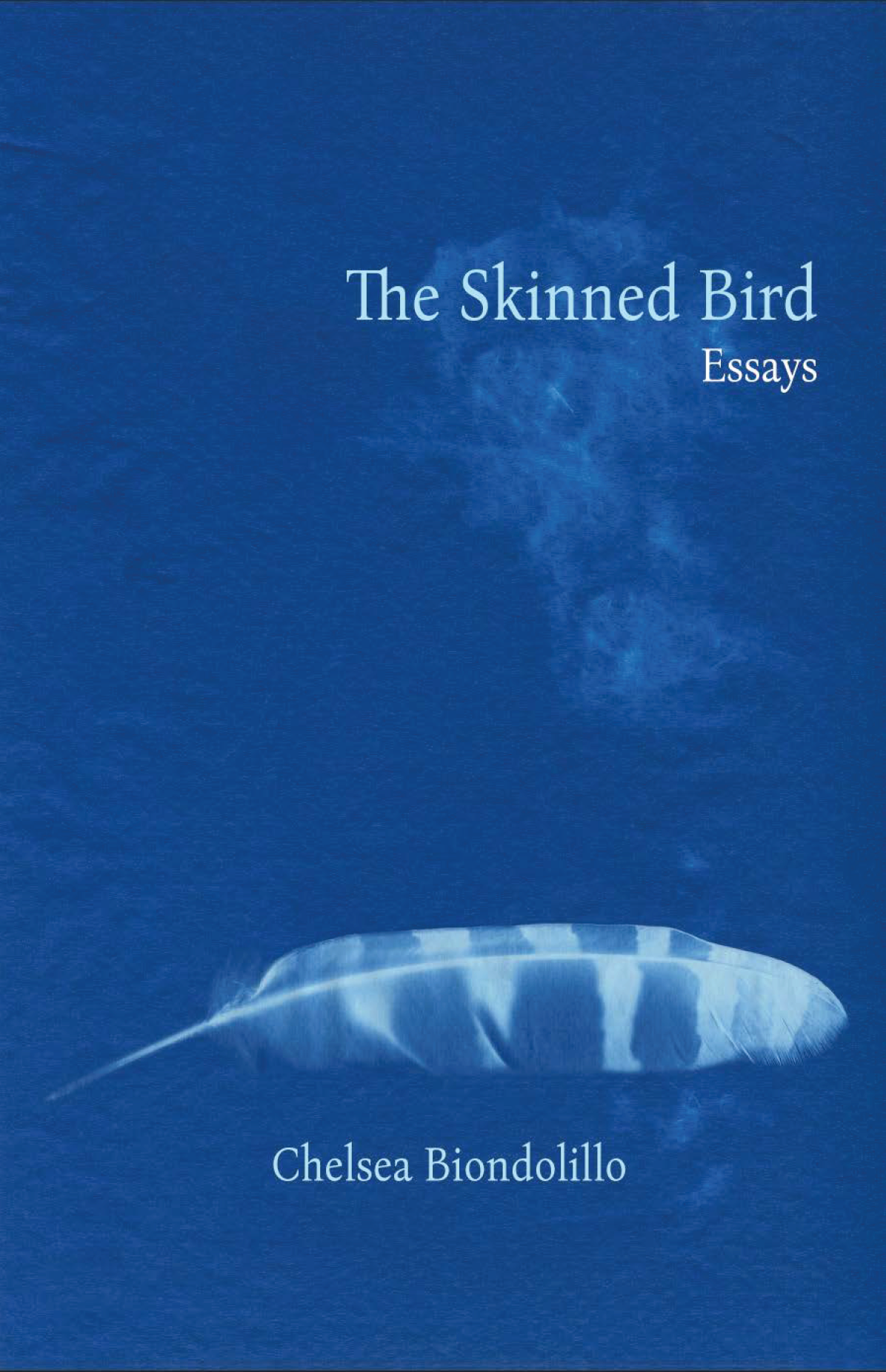
On this episode, Oregon-based writer Chelsea Biondolillo shares an essay from her new book, The Skinned Bird. It’s about songbirds learning to sing, and humans learning to speak, and the complicated web of causality that shapes the way we interact with others.

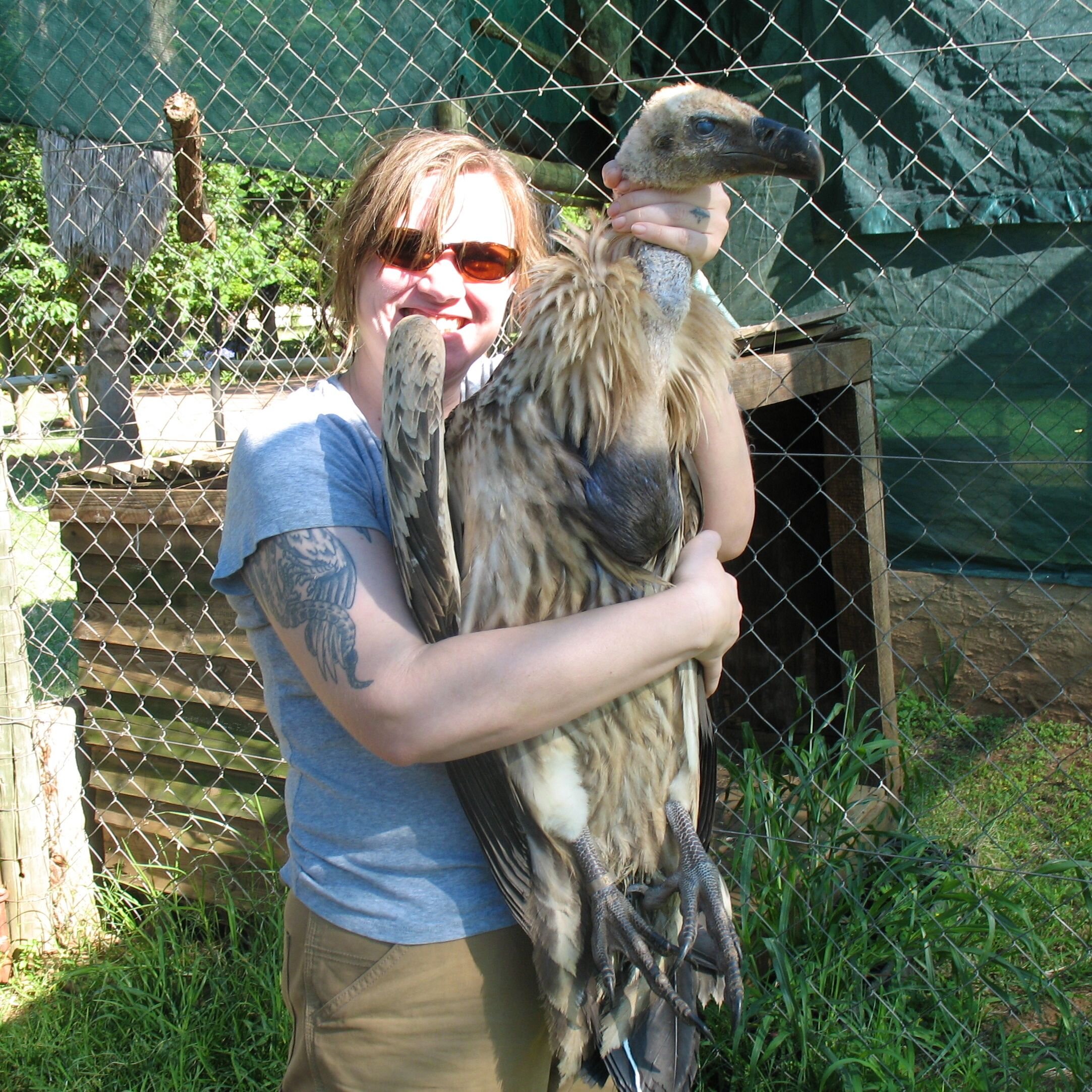
In addition to sharing Chelsea’s story, we talk with her about her book as a whole, discussing everything from her fascination with vultures, to her job preparing bird specimens for a museum, to her quest for human connection and understanding.


You can read more of Chelsea Biondolillo’s work here, and you can buy her book, The Skinned Bird, here.


This episode sponsored by

 
EXO_LOGO_LARGEAPPLICATIONS_BLACK.png

For 15% off your order at exoprotein.com, enter the promo code “OUTTHERE” at checkout.


Double or Nothing

What if your childhood dreams aren’t so childish after all?

 
Photo courtesy Becky Jensen

Photo courtesy Becky Jensen


“Why do I tell each of my sons to follow their dreams, and tell myself the opposite?”

— Becky Jensen


Have you ever dreamed of dropping everything to live in a remote cabin somewhere? Waking up to the smell of pine trees? Listening to the river from a rocking chair on the front porch?

Growing up, Becky Jensen wanted to be a writer, and she wanted to live in a little cabin in the woods. But then, real life happened, and her childhood aspirations faded.

On this episode, Becky takes us on an 18-year journey from life-threatening pregnancy to new motherhood, from marriage to divorce, from an existence centered around kids to a dogged pursuit of her own individuality.

Her story is about fledging the metaphorical nest, reconsidering neglected dreams, and redefining who you are.

Want to read the whole story? Becky is sharing the full transcript of this episode in her blog. Go back and read your favorite parts, and see photos of her cabin, in her post Double or Nothing.


More Out There stories by Becky Jensen


Support for this episode comes from


Panic on a Country Road

What if you’re too sensitive to handle the real world?

 
Photo by Pixabay

Photo by Pixabay


“I tried to suck it up. I wanted to be strong — to be able to handle life the way other people did. I didn’t understand why I was so sensitive.”

— Lara McCaffrey


Growing up, Lara McCaffrey loved going outside. But then one day, something happened that left her with a chilling fear of driving out into the countryside. The open spaces she knew so well came to fill her with dread.

Over time, things only got worse.

On this episode, Lara shares her story. It’s a story about a paralyzing anxiety — and about the struggle to lead a “normal” life, when you feel too fragile to function.


Discounts from our Sponsors

 
EXO_LOGO_LARGEAPPLICATIONS_BLACK.png

For 15% off your EXO order, use the promo code “OUTTHERE” at checkout.


Social Creatures

Can an introvert have too much solitude?

 
The Frank CHurch River of No Return Wilderness is the largest contiguous wilderness in the continental U.S. (Photo by Allison Fowle)

The Frank CHurch River of No Return Wilderness is the largest contiguous wilderness in the continental U.S. (Photo by Allison Fowle)


“I had believed my capacity for solitude was infinite. It was hard to imagine that I could have too much alone time.”

— Allison Fowle


Allison Fowle has always been an introvert. So the idea of spending an entire summer in the wilderness was highly appealing.

But during her time in the mountains of Idaho, she began to rethink her appetite for solitude.

On this episode, she shares the story of her final days in the Frank Church River of No Return Wilderness. During those final days, something happened that shook her to the core and changed her thinking on “alone time.”


This episode sponsored by


For 15% off your purchase at parksproject.us, enter the promo code “OUTTHERE” at checkout.


For 15% off your order, enter the coupon code “BOCAOUTTHERE” at checkout.

For 25% off your Cusa Tea order and a FREE sample box, click here.


Firefighting While Female

There’s a difference between being liked and being respected

 
Heading home from the Hog Fong Fire. (Photo courtesy Linda Strader)

Heading home from the Hog Fong Fire. (Photo courtesy Linda Strader)


“Every time someone said something nice to me, I would be thinking, ‘Do you mean that or not? Can I trust you?’”

— Linda Strader


Linda Strader was one of the first women to become a wildland firefighter for the U.S. Forest Service. Her book Summers of Fire documents that experience, and she joins me on this episode to talk about it.

We explore what it was like entering a male-dominated field in the 1970s, and we talk about the tough realization that being liked is not the same as being respected.

Plus, we discuss what has changed (or not changed) for female firefighters in the past four decades.


Discount codes from our sponsors


For 15% off your Parks Project purchase, enter the promo code “OUTTHERE” at checkout.


For 25% off your order and a FREE sample pack of Cusa Tea, enter the promo code “OUTTHERE” at checkout.


More Honest

A PCT thru-hiker lets his sister make a podcast out of his personal journal

 
Benjamin Drachman is sharing his audio journal with his sister Julia, while hiking the Pacific Crest Trail. (Photo courtesy Julia Drachman)

Benjamin Drachman is sharing his audio journal with his sister Julia, while hiking the Pacific Crest Trail. (Photo courtesy Julia Drachman)


“Every person that my brother passes [on the Pacific Crest Trail], he becomes friends with. … Meanwhile, I’m living in a city — in the middle of Seattle — and I just walk through town with my headphones on and don’t make eye contact.”

— Julia Drachman


When Benjamin Drachman announced that he wanted to keep an audio journal during his thru-hike of the Pacific Crest Trail, his sister Julia saw an opportunity: Why not make it into a podcast?

Benjamin agreed to send her his recordings — all of them.

The resulting podcast is called The Attempt. Each episode, Julia weaves together highlights from Benjamin’s journal, to create a narrative about his journey. It’s a deeply personal account of a long-distance backpacking trip — one that makes you laugh, and cringe, and reflect on your own life choices.

On this episode of Out There, we give you a taste of The Attempt, and we talk with Julia about what it’s like telling such an intimate story about a sibling.


This episode sponsored by


The 'Privilege' to Choose

What if it’s better to have fewer options?

 
Yellow arrows guide pilgrims to their destination on the Camino de Santiago. (Photo by Fran Turauskis)

Yellow arrows guide pilgrims to their destination on the Camino de Santiago. (Photo by Fran Turauskis)


“Picking a trail because it’s the only ‘safe’ option isn’t very glamorous. But it is why I hiked the Camino.”

— Fran Turauskis


When Fran Turauskis set off to hike the Camino de Santiago, she was frustrated by her lack of options. She had picked the trail because it was one of the only thru-hikes she felt she could safely undertake, given that she had epilepsy.

But what if a lack of options can actually be helpful?

On this episode, Fran shares her story. It’s a story of not just coming to terms with — but actually appreciating — your limitations.


Fran Turauskis hosts the podcast Seize Your Adventure.

It’s about living the adventure lifestyle with epilepsy. You can listen to it here.


This episode sponsored by


For 25% off your first order at CusaTea.com, use the promo code “OUTTHERE.”


For 10% off your first month of counseling, click here.


Redefining Adventure

Busking through Spain to rekindle the excitement of uncertainty

 
Alastair Humphreys (Photo courtesy Alastair Humphreys)

Alastair Humphreys (Photo courtesy Alastair Humphreys)


"The idea of playing the violin in public terrified me.”

— Alastair Humphreys


When we talk about adventure, we often think of extreme endeavors. Summiting mountains. Surviving in the wilderness. Sailing around the world.

But what is it that makes those things adventures? What actually is an adventure? And why do some of us seek out things that are harder than they need to be?

On this episode, we talk with Alastair Humphreys, author of the book My Midsummer Morning.

After a lifetime of chasing traditional adventures, Alastair wanted a different sort of challenge. So he set off on a journey across Spain, with the intention of earning his keep through busking. The trip was simultaneously safer and scarier than anything he’d done before, and it changed his view on what adventure means.


This episode sponsored by


For 10% off your Kula Cloth order, click here and enter the promo code “OUTTHERE” at checkout.


For 30% off the premium Simple Habit app, click here.


How to Belong

What if knowing who you are isn’t enough?

 
Wendy Villalta (Photo courtesy Wendy Villalta)

Wendy Villalta (Photo courtesy Wendy Villalta)


“I still have my doubts about whether I’m doing the Jewish thing right. Even when I’m sure of … where I belong, it still gives me anxiety.”

— Wendy Villalta


Wendy Villalta has spent most of her life trying to fit in.

Her biological parents are immigrants from Mexico and El Salvador, but at age 10, she was put into foster care and was later adopted by a white, Jewish family. So it’s no no surprise that her sense of identity took a while to solidify.

Most of us have had moments in our lives, when we felt we don’t belong. But what happens when you finally figure it out, only to realize that society doesn’t agree with you? How important is external validation, when it comes to deciding who we are?

Victoria Marin brings us the story.


This episode sponsored by


For 10% off your Kula Cloth order, click here and enter the promo code “OUTTHERE” at checkout.


For 30% off the premium Simple Habit app, click here.


Too Poor to Dream?

What it actually takes to make a change in life

 
A road trip through the American West left Charlsie Shaver yearning for a life in the mountains, but making that dream come true has proven difficult. (Photo by Charlsie Shaver)

A road trip through the American West left Charlsie Shaver yearning for a life in the mountains, but making that dream come true has proven difficult. (Photo by Charlsie Shaver)


“When you only have $20 left in your bank account … you simply can’t afford to move across the country or make major career change.”

— Charlsie Shaver


Lots of people talk about the outdoors as an inexpensive place to play — a place where you don’t need money to have fun. But how true is that?

This episode comes to us from a woman named Charlsie Shaver, who yearns to build a life outdoors, but finds herself struggling to do so.

Money is often a limiting factor. But in recent years, Charlsie has come to realize that not just money, but also her attitudes about money, and some deeply held beliefs from her childhood, all come into play.

On this episode, she looks at what it means to dream — and what it takes to make a change in your life.


Support for this episode comes from


For 30% off the premium Simple Habit app, click here.


For 15% off your Wild Woman subscription, click here and enter the promo code “OUTTHERE” at checkout.


Nature Saved My Life

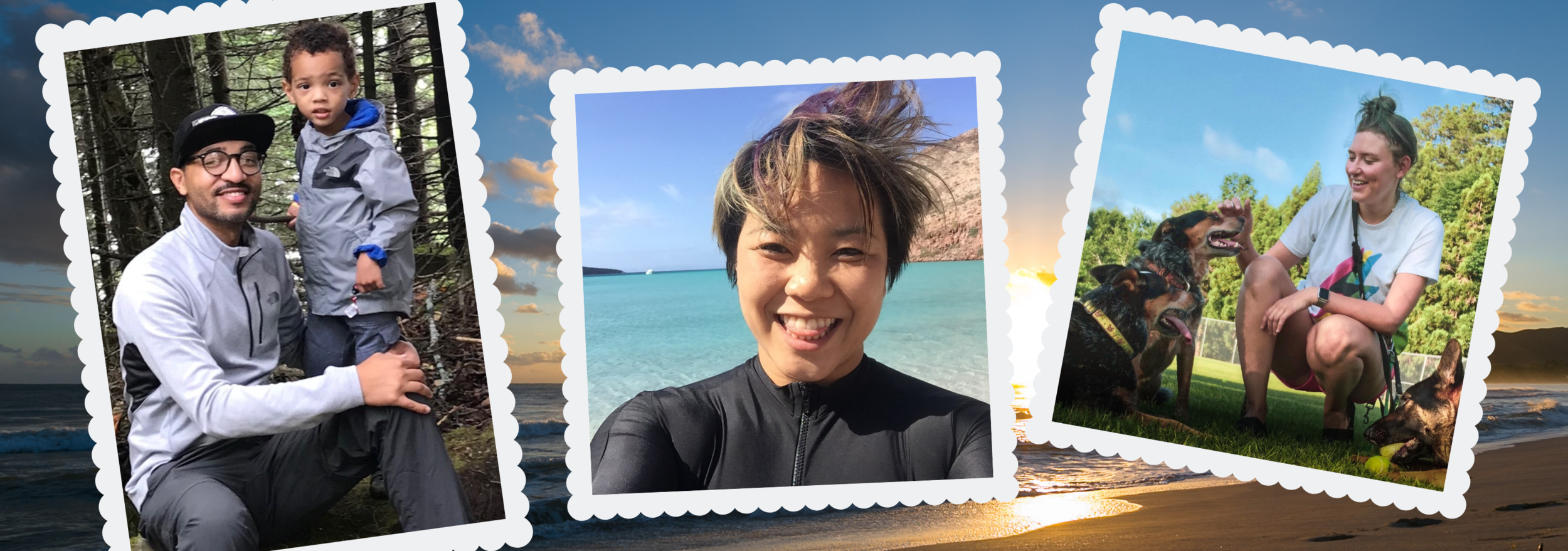
For Out There’s new ambassadors, the outdoors is more than a place to play

 
Out There’s newest cohort of ambassadors: Ashley White (left), Tiffany Duong (center), and Ali Shinn (right)

Out There’s newest cohort of ambassadors: Ashley White (left), Tiffany Duong (center), and Ali Shinn (right)


“Traditional Asian culture, in particular, loves stability. … You’re taught to behave and not rock the boat.”

— Tiffany Duong


On this episode, we introduce you to the newest cohort of Out There ambassadors.

Our ambassadors are listeners who help spread the word about Out There and foster conversations amongst the Out There community.

New additions to the team include Tiffany Duong, an ex-lawyer turned ocean advocate; Ashley White, a father of four from Minnesota, who specializes in corporate leadership development; and Ali Shinn, a dog lover who spent her childhood wishing to be a rich kid, only to discover that a cushy lifestyle wasn’t what she wanted.


“[When we go camping], my daughter’s gender roles drop away. The things they are taught that girls should do at their age, like … wear makeup, be cute — those all fall away, and they just become kids again.”

— Ashley White


Our new ambassadors come from wildly different backgrounds, but each has a special connection to the outdoors. All of them feel that nature has rescued them in some way, and reshaped their lives.

On this episode, they share their stories: stories of bravery, of healing, of defying cultural expectations — and of finding your way in the world, with a little help from mother nature.


“When I was outside with the other kids, I was an equal. It didn’t really matter what toys you had, what kind of bike you had, what your parents had inside your house; it was all about your imagination.”

— Ali Shinn


You can read more about Out There’s ambassador program, plus meet our veteran ambassadors, here.


Support for this episode comes from

For 10% off your order at kulacloth.com, enter the promo code “OUTTHERE” at checkout.

For 30% off Simple Habit’s yearly premium app, click here!


In the Long Run

How much perseverance is too much?

A trail race in Moab, UTah (Photo by the contributor of this story, anonymous)

A trail race in Moab, UTah (Photo by the contributor of this story, anonymous)


"In hindsight, there were so many red flags in my marriage. But, in my mind, you don’t quit."


We live in a society that honors persistence. We celebrate people who tough it out and finish what they start.

But how do you know when you've taken it too far? Where is the line between a healthy amount of perseverance, and blind stubbornness?

Today's story is about learning when to drop out — both in a race, and in a relationship.


Support for the episode comes from


Founded over 35 years ago by fishermen who wanted to stay on the water longer, Costa sunglasses are engineered to help people across all pursuits make the most of their time on the water. For those who need water to breathe.

Wild Woman is a monthly subscription box for women who get out, get moving, and get it done. For 15% off your subscription, click here and enter the promo code “OUTTHERE” at checkout.


Conservation Refugees

What if humans aren’t always bad for their own ecosystems?

 
Every year, the Van Gujjars migrate from the lowlands of India into the Himalayas with their herds of buffaloes. (Photo by Michael Benanav)

Every year, the Van Gujjars migrate from the lowlands of India into the Himalayas with their herds of buffaloes. (Photo by Michael Benanav)


“I had always … thought that national parks can only be a good thing. And I had never really imagined that people had been living in them.”

— Michael Benanav


A lot of conservation efforts focus on the negative impacts people have on the environment. Humans are seen as an invasive species, and their presence is assumed to upset the natural balance.

But what if it’s not so clearcut?

On this episode, we explore what happens when conservation efforts end up having side effects that are, at best, questionable.

My guest is Michael Benanav, author of the book Himalaya Bound, which follows a group of nomads in India who are desperately clinging to an ancient way of life.

The Van Gujjars live in perfect harmony with nature, playing a vital role in their own ecosystem. But they’re under threat — ironically, due to conservation efforts.


Want to read more about the Van Gujjar’s? Here’s where you can find Michael Benanav’s book Himalaya Bound.

Special thanks to Eric Mack for production help on this episode. Eric is a producer for Warm Regards, a podcast about the warming of the planet.


Support for this episode comes from


For 10% off your Kula Cloth order, click here and enter the promo code “OUTTHERE” at checkout.

For 15% off your Wild Woman subscription, click here and enter the promo code “OUTTHERE” at checkout.


Just for Me

Redefining what it means to stand your ground

Postponing responsibilities in the name of playtime (Photo by Willow Belden)

Postponing responsibilities in the name of playtime (Photo by Willow Belden)


“I knew I could be dogged about achieving things I had to do, but being just as dogged in the name of playtime was new for me.”

— Willow Belden


My mother always told me I shouldn’t take “no” for an answer. If you don’t get what you want, she said, try again. Keep asking. Stick to your guns.

Growing up, I took that advice to heart: whatever the task at hand, I pushed forward with dogged determination.

But in 2018, a traumatic accident left me suddenly powerless to complete even the simplest of tasks. In the aftermath of that experience, my outlook on what it means to back down was turned on its head, and I started standing up for myself in a new way.

On this episode, I share the story of what happened.

Special thanks to Becky Jensen for editing the script for this story.


This episode sponsored by


For 15% off your subscription, visit WildWomanBox.com and enter the promo code “OUTTHERE” at checkout.

Founded over 35 years ago by fishermen who wanted to stay on the water longer, Costa sunglasses are engineered to help people across all pursuits make the most of their time on the water. For those who need water to breathe.


What You Can Find in Glaciers

A hunting trip with friends that led to a one-of-a-kind discovery

Glaciers horizontal.jpg
 

“We were chosen to find him. It wasn’t a coincidence.”

— Bill Hamlin


On this episode, we bring you a guest story from the podcast Outlandish, a show that focuses on stories from our public lands.

The story is about a remarkable discovery that happened in the wilderness of Canada. It takes us behind the scenes on the hunt of a lifetime, and looks at the fascinating things we can learn about our past by exploring the places where glaciers have melted away.

In addition to the story, we bring you an interview with Liz Townley, the mastermind behind Outlandish. We talk with her about her show, and about the broader effort to get more Americans involved in shaping the future of our national forests.


Hear more from Outlandish

Discount codes from our sponsors


Save 15% on your Wild Woman Box subscription with the coupon code “OUTTHERE.” Click here to get started.

For 15% off your order at Earth Hero, click here and enter the coupon code “OUTTHERE” at checkout.


My Own Way

A tree lover’s path to embracing nature — a little differently

 
Trees.png


“Having grown up on a farm without running water or indoor plumbing, I don’t equate being in the woods at night with relaxation.”

— Carolyn McDonald


Carolyn McDonald adores trees. She even spends time pondering what trees would say if they could talk.

But she’s not the typical outdoorsy type; the very idea of camping gives her the shivers.

On this episode, Carolyn shares her story. She takes us from rural North Carolina to the streets of Paris, and explores what it’s like to love nature in a manner that defies society’s expectations.


Support for this episode comes from

 
FOUNDED OVER 35 YEARS AGO BY FISHERMEN WHO WANTED TO STAY ON THE WATER LONGER, COSTA SUNGLASSES ARE ENGINEERED TO HELP PEOPLE ACROSS ALL PURSUITS MAKE THE MOST OF THEIR TIME ON THE WATER. FOR THOSE WHO NEED WATER TO BREATHE.

FOUNDED OVER 35 YEARS AGO BY FISHERMEN WHO WANTED TO STAY ON THE WATER LONGER, COSTA SUNGLASSES ARE ENGINEERED TO HELP PEOPLE ACROSS ALL PURSUITS MAKE THE MOST OF THEIR TIME ON THE WATER. FOR THOSE WHO NEED WATER TO BREATHE.

Myro makes natural deodorants that feel great and smell great. For 50% off your order, click here and enter the promo code “OUTTHERE” at checkout.

Myro makes natural deodorants that feel great and smell great. For 50% off your order, click here and enter the promo code “OUTTHERE” at checkout.


Pleasure in Pain

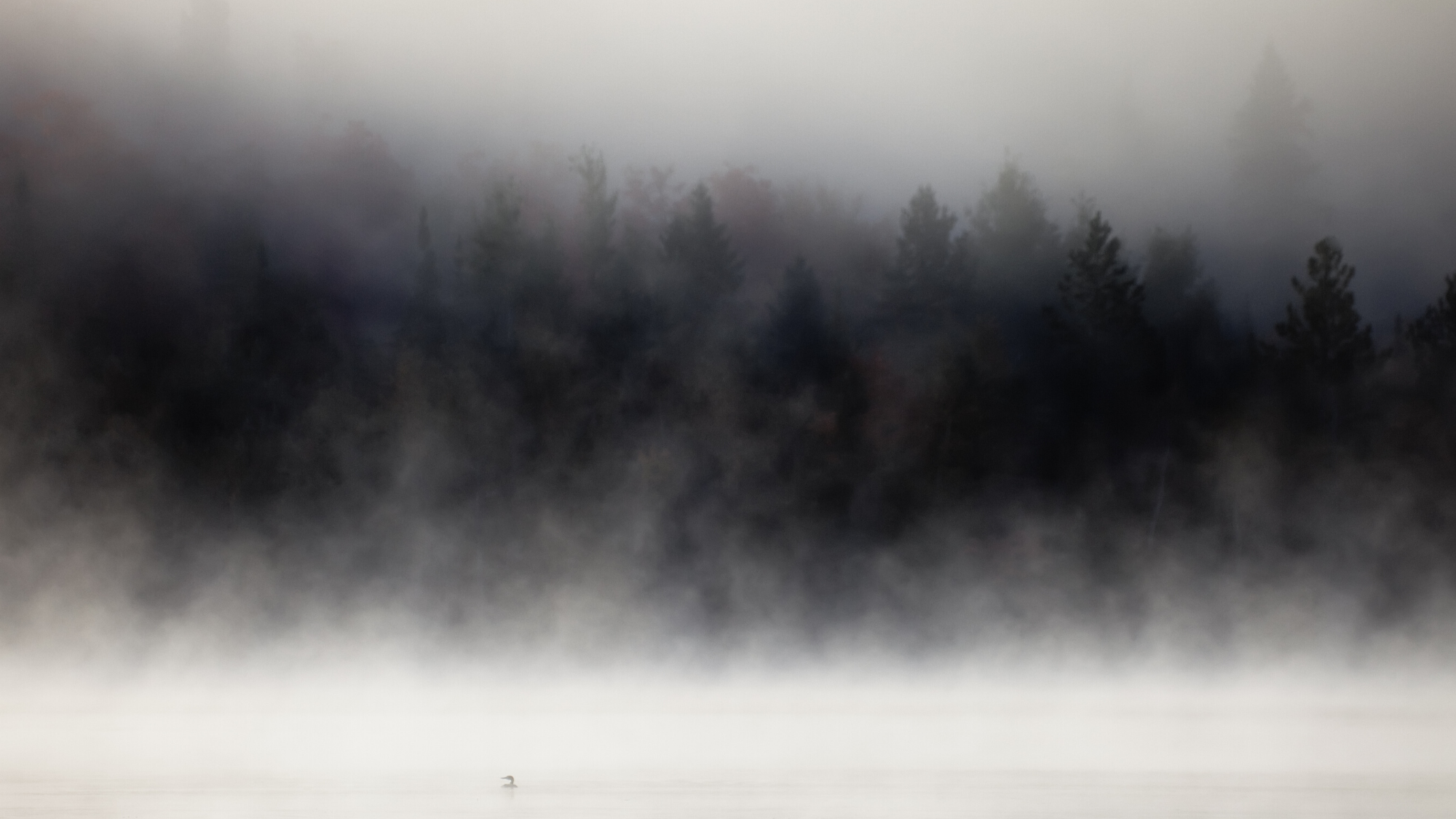
Finding magic in the muck on the Appalachian Trail

Maine Fog.png
 

“We don’t have to live in a constant state of struggle, yet life would be pretty boring if it was smooth sailing all the time.”

— Heather Daya Rideout


Most of us want to speed through the hard times; we want to get to a place where life feels smooth and easy.

But what if the line between good times and bad isn’t so black and white? What if hardship can actually be enjoyable?

On this episode, Heather Daya Rideout takes us from the beaches of Thailand to the mountains of Maine, and tells of a an encounter with strangers on the Appalachian Trail that completely changed her perspective on pleasure and pain.


Special thanks to Amah Devi for help with recording this episode.


This episode sponsored by


Founded over 35 years ago by fishermen who wanted to stay on the water longer, Costa Sunglasses are engineered to help people across all pursuits make the most of their time on the water. For those who need water to breathe.

Costasunglasses.com


For $10 off your first box, head to ThinkOutsideBoxes.com and enter the coupon code “OUTTHERE” at checkout.